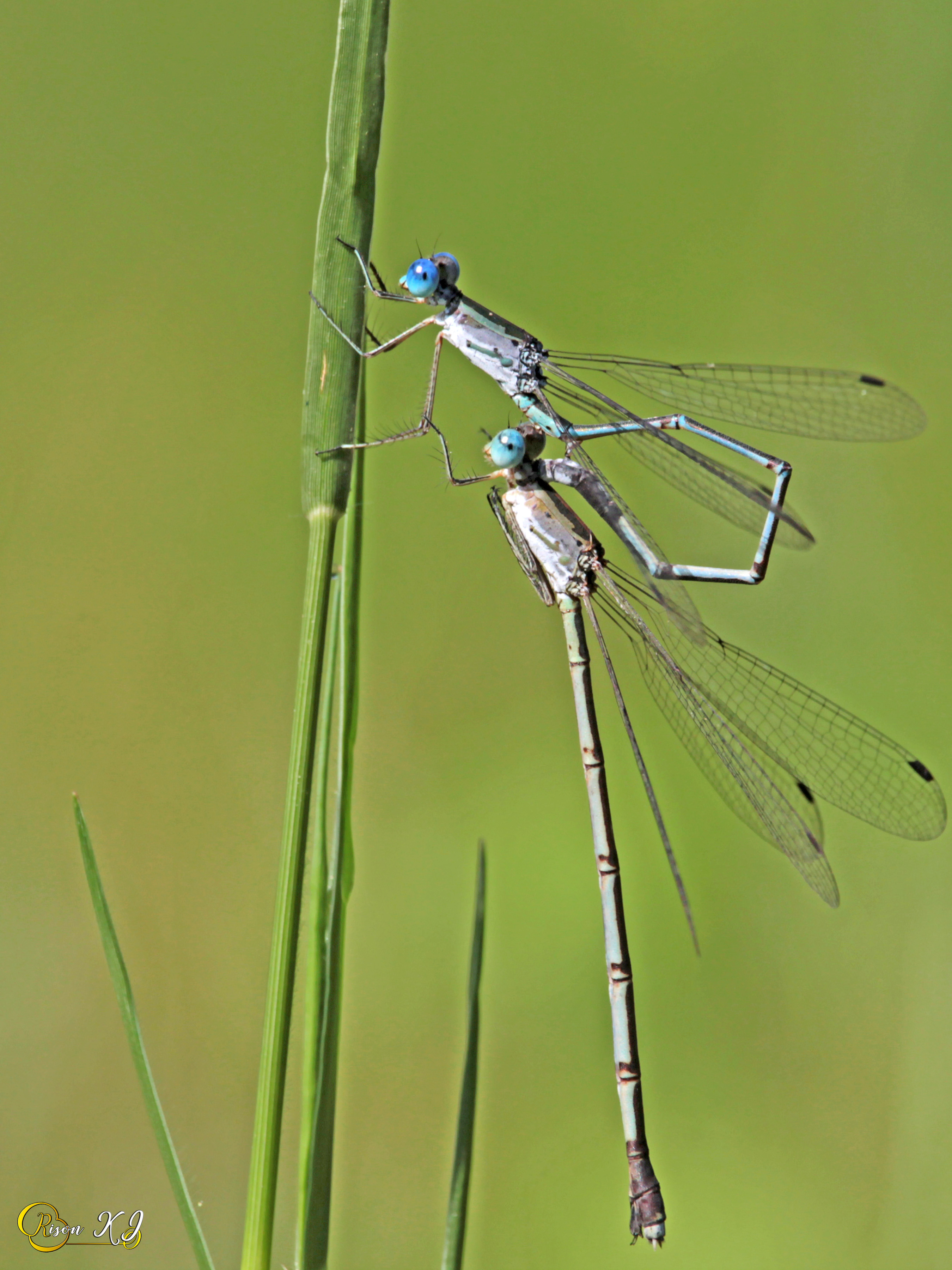
Model: Emerald Spreadwing (Lestes elatus) പച്ചവരയന് ചേരാച്ചിറകൻ
Saturday, July 8, 2023
Mating (Copula) and Sperm transferring of Damselflies - സൂചിത്തുമ്പികളുടെ ഇണചേരലും ബീജക്കൈമാറ്റരീതിയും
സൂചിത്തുമ്പികൾക്ക് മറ്റു പ്രാണികളെ അപേക്ഷിച്ചു വളരെ സങ്കീർണ്ണമായ ബീജക്കൈമാറ്റ രീതിയാണുള്ളത്. ഇണചേരലിന്റെ ആദ്യപടിയായി ആൺത്തുമ്പി തന്റെ ശരീരത്തിന്റെ ഏറ്റവും പുറകിലായുള്ള കുറുവാൽ(Anal appedages) എന്ന അവയവമുപയോഗിച്ച് പെൺത്തുമ്പിയുടെ തലയ്ക്കും ഉരസ്സിനും(Head and Thorax) ഇടയിലായി പിടിക്കുന്നു (Tandem position). പിന്നീട് കുറുവാലിനോട് ചേർന്നുള്ള ജനനേന്ദ്രിയത്തിത്തിൽ നിന്നും(Primary genetalia) ബീജം തുമ്പിയുടെ രണ്ടാം ഖണ്ഡത്തിലുള്ള ദ്വിദീയ ജനനേന്ദ്രിയത്തിലേക്കു(Secondary genetalia) മാറ്റുന്നു. പിന്നീട് പെൺതുമ്പി തന്റെ ഉദരം വളച്ചു ഉദരത്തിലെ എട്ട് ഒൻപത് ഖണ്ഡങ്ങളിലുള്ള മുട്ടയിടാനുള്ള അവയവം (Ovipositor)ആൺത്തുമ്പിയുടെ ദ്വിദീയ ജനനേന്ദ്രിയത്തോട് ചേർക്കുന്നു(Wheel position). അങ്ങനെ ബീജക്കൈമാറ്റം പൂർണ്ണമാകുന്നു.
Sunday, March 19, 2023
Pale Spotted Emperor (Anax guttatus) മരതകരാജൻ
Common name: Pale Spotted Emperor
Malayalam name: മരതകരാജൻ
Scientific name: Anax indicus Lieftinck, 1942
Family: Aeshnidae
Place of observation: Thommana-Muriyad Kole wetlands, Kerala
Date of observation: 20-05-2018
Male: Abdomen 56-62 mm. Hind-wing 50-54 mm.
Female: Abdomen 56-58 mm. Hind-wing 52-54 mm.
ജലാശയങ്ങൾക്കു മീതെ അങ്ങോട്ടുമിങ്ങോട്ടും അതിവേഗത്തിൽ പറക്കുന്ന പച്ചയും, നീലയും, ഉദരത്തിൽ മഞ്ഞപ്പൊട്ടുകളുമുള്ള സൂചിവാലൻ കുടുംബത്തിൽപ്പെട്ട വലിയ കല്ലൻ തുമ്പി. Lesser Green Emperor (Anax indicus) പീതാംബരൻതുമ്പിയുമായി വളരെ സാദൃശ്യമുണ്ടെങ്കിലും ഉദരത്തിലെ ഏഴും എട്ടും ഖണ്ഡങ്ങളിൽ കൂടിച്ചേർന്നിരിക്കുന്ന മഞ്ഞപ്പൊട്ടുകൾ ഇവയെത്തമ്മിൽ തിരിച്ചറിയാൻ സഹായിക്കും.
Malayalam name: മരതകരാജൻ
Scientific name: Anax indicus Lieftinck, 1942
Family: Aeshnidae
Place of observation: Thommana-Muriyad Kole wetlands, Kerala
Date of observation: 20-05-2018
Male: Abdomen 56-62 mm. Hind-wing 50-54 mm.
Female: Abdomen 56-58 mm. Hind-wing 52-54 mm.
ജലാശയങ്ങൾക്കു മീതെ അങ്ങോട്ടുമിങ്ങോട്ടും അതിവേഗത്തിൽ പറക്കുന്ന പച്ചയും, നീലയും, ഉദരത്തിൽ മഞ്ഞപ്പൊട്ടുകളുമുള്ള സൂചിവാലൻ കുടുംബത്തിൽപ്പെട്ട വലിയ കല്ലൻ തുമ്പി. Lesser Green Emperor (Anax indicus) പീതാംബരൻതുമ്പിയുമായി വളരെ സാദൃശ്യമുണ്ടെങ്കിലും ഉദരത്തിലെ ഏഴും എട്ടും ഖണ്ഡങ്ങളിൽ കൂടിച്ചേർന്നിരിക്കുന്ന മഞ്ഞപ്പൊട്ടുകൾ ഇവയെത്തമ്മിൽ തിരിച്ചറിയാൻ സഹായിക്കും.
![]() |
| In-flight |
Tuesday, May 3, 2022
(Vestalis submontana Fraser, 1934) കാട്ടു തണൽതുമ്പി
Sunday, May 1, 2022
Lesser Blue-Wing (Rhyothemis triangularis Kirby, 1889) കരിനീലച്ചിറകൻ
Common name: Lesser Blue-Wing
Malayalam name: കരിനീലച്ചിറകൻ
Scientific name: Rhyothemis triangularis Kirby, 1889
Family: Libellulidae
Location: Vazhachal, Thrissur
Date of observation: 01-05-2022
Malayalam name: കരിനീലച്ചിറകൻ
Scientific name: Rhyothemis triangularis Kirby, 1889
Family: Libellulidae
Location: Vazhachal, Thrissur
Date of observation: 01-05-2022
Black Marsh Dart (Onychargia atrocyana Selys, 1865) എണ്ണക്കറുപ്പൻ
Common name: Black Marsh Dart
Malayalam name: എണ്ണക്കറുപ്പൻ
Scientific name: Onychargia atrocyana Selys, 1865
Family: Platycnemididae
Place of observation: Vazhachal, Thrissur
Malayalam name: എണ്ണക്കറുപ്പൻ
Scientific name: Onychargia atrocyana Selys, 1865
Family: Platycnemididae
Place of observation: Vazhachal, Thrissur
Date of observation: 01-05-2022
Friday, October 22, 2021
Indian violet dartlet (Aciagrion approximans Selys, 1876) നീലച്ചിന്നൻ
Tuesday, August 31, 2021
Asian emerald (Hemicordulia asiatica Selys, 1878) കാട്ടു മരതകൻ
Common name: Asian Emerald
Malayalam name: കാട്ടുമരതകൻ
Scientific name: Hemicordulia asiatica Selys, 1878
Family: Corduliidae (Emerald dragonflies) മരതക്കണ്ണന്മാർ
Place of observation: Thumboor, Kerala
Date of observation: 08 to 13-05-2020
തിളങ്ങുന്ന മരതകപ്പച്ചയും മഞ്ഞയും കലർന്ന അതിമനോഹരമായ ഒരു തുമ്പി. താഴ്ന്ന പ്രദേശങ്ങളിൽ ഇതിനു മുൻപ് ഇത് റിപ്പോർട്ട് ചെയ്യപ്പെട്ടിട്ടില്ല. പശ്ചിമഘട്ടത്തിലെ പെരിയാർ കടുവാ സംരക്ഷിത വനപ്രദേശത്താണ് 80 വർഷങ്ങൾക്കു ശേഷം ഇതിനെ വീണ്ടും കണ്ടെത്തുന്നത്. തുമ്പൂരിലെ എന്റെ വീട്ടുകിണറ്റിലാണ് ഞാനിതിനെ കണ്ടത്. മരതകക്കണ്ണന്മാർ (Corduliidae) എന്ന കുടുംബത്തിലെ ഇന്ത്യയിൽ കാണപ്പെടുന്ന ഒരേയൊരു തുമ്പിയാണിത്. സൂവോളജിക്കൽ സർവ്വേ ഓഫ് ഇന്ത്യയിലെ ശാസ്തജ്ഞനായ ശ്രീ. കെ. എ. സുബ്രഹ്മണ്യൻ (Dr. Subrahmaniyan K A), ഡോ. ദത്താപ്രസാദ് സാവന്ത് (Dr. Dattaprasad Sawant), ശ്രീലങ്കൻ ബയോളജിസ്റ്റായ ശ്രീ. അമില പ്രസന്ന സുമനപാല (Mr. Amila Prasanna Sumanapala) എന്നിവരാണ് ഇതിനെ തിരിച്ചറിയാൻ സഹായിച്ചത്.
Identification Keys
Male:
Head: Labium and labrum bright yellow; clypeus dull yellow; lower part of frons and its sides a brighter yellow, changing to bright orange above and then brilliant metallic emerald-green; vesicle metallic green; occiput dark reddish-brown; eyes emerald-green during life. Prothorax; dark brown with a mid-dorsal yellow spot; thorax dark metallic green, marked with yellow on the sides only, a sizeable posthumeral spot, a linear spot between the two lateral sutures and the posterior two-thirds of the metepimeron broadly yellow; beneath pale yellow, with a transverse brown, stripe at the posterior border and two large brown spots anteriorly, these latter with a metallic green reflex. Legs black, femora changing to reddish-brown at proximal ends; coxae and trochanters yellow; keel on anterior tibiae extending for half its length, that on the hind tibiae extending the whole length. Wings hyaline, enfumed in adult species only; nodal index 6-8/7-5 | 8-5/5-7; 16 cells in the anal loop; pterostigma dark brown, unbraced, covering only half a cell; membrane short, confined to petiole of the wing, pale brown. Abdomen glossy black, with a metallic dark green reflex on dorsum, especially of the proximal segments, and marked laterally with bright ochreous as follows:- The sides of segments 1 to 3 broadly and continuously; segments 4 to 8 with wedge-shaped stripes on each side extending from the base, but not reaching the apical ends of segments; paired spots under all segments except 1 and 10. Anal appendages black: superiors as long as segments 9 and 10 taken together, sUm, constricted at the base and twisted on their long axis, so that the outer surface comes to look upwards and finally somewhat inwards near the apex, which is obtusely rounded; the appendage compressed and narrowly spatulate between base and apex; inferior appendage narrowly triangular, its apex turned rather sharply upwards, slightly shorter than the superiors. Genitalia: lamina depressed, strongly arched; hamules foliate and broad at the base, then rapidly narrowing to form rather long, slim, curved hooks which are directed backwards and inwards; lobe slightly sinuous, subcordate, with rather obtuse projecting apex.
Female
Closely similar to the male, the yellow markings on the thorax are rather more extensive, the whole of the sides being bright yellow traversed by a fine blackish line on the anterolateral suture and a broad metallic-green stripe on the posterolateral. The markings on the abdomen were reduced; wings often rather darkly enfumed at apices as far proximal as halfway between pterostigma and node; the base of hind-wing tinted with yellow at extreme base; nodal index similar to the male; membrane dirty white. Vulvar scales are triangular, cleft to the base into two small triangular leaflets bright yellow in colour. Anal appendages are black and shortly conical.
Malayalam name: കാട്ടുമരതകൻ
Scientific name: Hemicordulia asiatica Selys, 1878
Family: Corduliidae (Emerald dragonflies) മരതക്കണ്ണന്മാർ
Place of observation: Thumboor, Kerala
Date of observation: 08 to 13-05-2020
Identification Keys
Male:
Head: Labium and labrum bright yellow; clypeus dull yellow; lower part of frons and its sides a brighter yellow, changing to bright orange above and then brilliant metallic emerald-green; vesicle metallic green; occiput dark reddish-brown; eyes emerald-green during life. Prothorax; dark brown with a mid-dorsal yellow spot; thorax dark metallic green, marked with yellow on the sides only, a sizeable posthumeral spot, a linear spot between the two lateral sutures and the posterior two-thirds of the metepimeron broadly yellow; beneath pale yellow, with a transverse brown, stripe at the posterior border and two large brown spots anteriorly, these latter with a metallic green reflex. Legs black, femora changing to reddish-brown at proximal ends; coxae and trochanters yellow; keel on anterior tibiae extending for half its length, that on the hind tibiae extending the whole length. Wings hyaline, enfumed in adult species only; nodal index 6-8/7-5 | 8-5/5-7; 16 cells in the anal loop; pterostigma dark brown, unbraced, covering only half a cell; membrane short, confined to petiole of the wing, pale brown. Abdomen glossy black, with a metallic dark green reflex on dorsum, especially of the proximal segments, and marked laterally with bright ochreous as follows:- The sides of segments 1 to 3 broadly and continuously; segments 4 to 8 with wedge-shaped stripes on each side extending from the base, but not reaching the apical ends of segments; paired spots under all segments except 1 and 10. Anal appendages black: superiors as long as segments 9 and 10 taken together, sUm, constricted at the base and twisted on their long axis, so that the outer surface comes to look upwards and finally somewhat inwards near the apex, which is obtusely rounded; the appendage compressed and narrowly spatulate between base and apex; inferior appendage narrowly triangular, its apex turned rather sharply upwards, slightly shorter than the superiors. Genitalia: lamina depressed, strongly arched; hamules foliate and broad at the base, then rapidly narrowing to form rather long, slim, curved hooks which are directed backwards and inwards; lobe slightly sinuous, subcordate, with rather obtuse projecting apex.
Female
Closely similar to the male, the yellow markings on the thorax are rather more extensive, the whole of the sides being bright yellow traversed by a fine blackish line on the anterolateral suture and a broad metallic-green stripe on the posterolateral. The markings on the abdomen were reduced; wings often rather darkly enfumed at apices as far proximal as halfway between pterostigma and node; the base of hind-wing tinted with yellow at extreme base; nodal index similar to the male; membrane dirty white. Vulvar scales are triangular, cleft to the base into two small triangular leaflets bright yellow in colour. Anal appendages are black and shortly conical.
| Female |
| Male |
![]() |
| Anal appendages |
| Male |
| Male |
![]() |
| Male |
| Male |
![]() | ||
Female
It is a dragonfly of medium size, coloured metallic green, sparingly marked with yellow. Its labium and labrum are bright yellows. Its lower part of frons and its sides are brighter yellow, changing to bright orange above and then brilliant metallic emerald-green. Its eyes are emerald-green when aged. Its pro-thorax is dark brown with a mid-dorsal yellow spot and its thorax is dark metallic green, marked with yellow on the sides only. Its wings are hyaline with pterostigma dark brown. Its abdomen is glossy black with a metal-unclear dark green reflex on the dorsum, especially of the proximal segments, and marked laterally in bright ochreous colour. Its anal appendages are black. Female is closely similar to male. The larvae breed in montane lakes or in deep still pools of mountain streams. Male Female A survey jointly conducted by the Periyar Tiger Conservation Foundation, Indian Dragonfly Society and the Forest and Wildlife Department in Periyar National Park in October 2017 found Hemicordulia asiatica. This was a rediscovery after 80 years of Fraser's initial sighting of this species from the Western Ghats. Wikipedia |
കേരളത്തിൽ കാണപ്പെടുന്ന മരതകക്കണ്ണന്മാർ എന്ന തുമ്പി കുടുംബത്തിൽ ഉള്ള ഒരു കല്ലൻതുമ്പിയിനമാണ് കാട്ടു മരതകൻ (ശാസ്ത്രീയനാമം: Hemicordulia asiatica). പശ്ചിമഘട്ടം, വടക്കുകിഴക്കേ ഇന്ത്യ, മ്യാൻമാർ എന്നിവിടങ്ങളിൽ മാത്രമേ ഇവയെ കണ്ടിട്ടുള്ളൂ.
മരതകപ്പച്ചയിൽ മഞ്ഞ കലകളോടുകൂടിയ ഒരു കല്ലൻതുമ്പിയാണിത്. പച്ച കണ്ണുകളും മഞ്ഞ മുഖവുമാണ് ഈ തുമ്പികൾക്ക്. ഇവയുടെ കഴുത്തിനു കാവി നിറവും ഉരസ്സിനു പച്ച നിറവുമാണ്. ഉരസ്സിന്റെ വശങ്ങളിൽ മഞ്ഞ വരകളുണ്ട്. സുതാര്യമായ ചിറകുകളിലെ പൊട്ടുകൾക്കു കാവി നിറമാണ്. തിളങ്ങുന്ന കറുപ്പുനിറത്തോടുകൂടിയ ഉദരത്തിന്റെ മുതുകുഭാഗത്ത് പച്ചനിറവും വശങ്ങളിൽ മഞ്ഞകലർന്ന തവിട്ടുനിറവുമുണ്ട്. ഇവയുടെ കുറുവാലുകൾക്ക് കറുപ്പുനിറമാണ്.
പെൺതുമ്പികൾ ഏകദേശം ആൺതുമ്പികളെപ്പോലെതന്നെയിരിക്കും. വനത്തിലുള്ള തടാകങ്ങളിലോ കാട്ടരുവികളുടെ ആഴമേറിയ ഭാഗങ്ങളിലോ ആണ് ഇവ പ്രജനനം നടത്തുന്നത്.
പെരിയാർ കടുവ സംരക്ഷിത പ്രദേശത്ത് 2017-ൽ നടത്തിയ ഒരു തുമ്പി കണക്കെടുപ്പിലാണ് ഇവയെ 80 വർഷങ്ങൾക്കുശേഷം വീണ്ടും പശ്ചിമഘട്ടത്തിൽ കണ്ടെത്തുന്നത്.
വിക്കിപീഡിയ
Subscribe to:
Posts (Atom)